The Confidence Capital: Why Women Founders Must Invest in Self-Belief Before Scaling
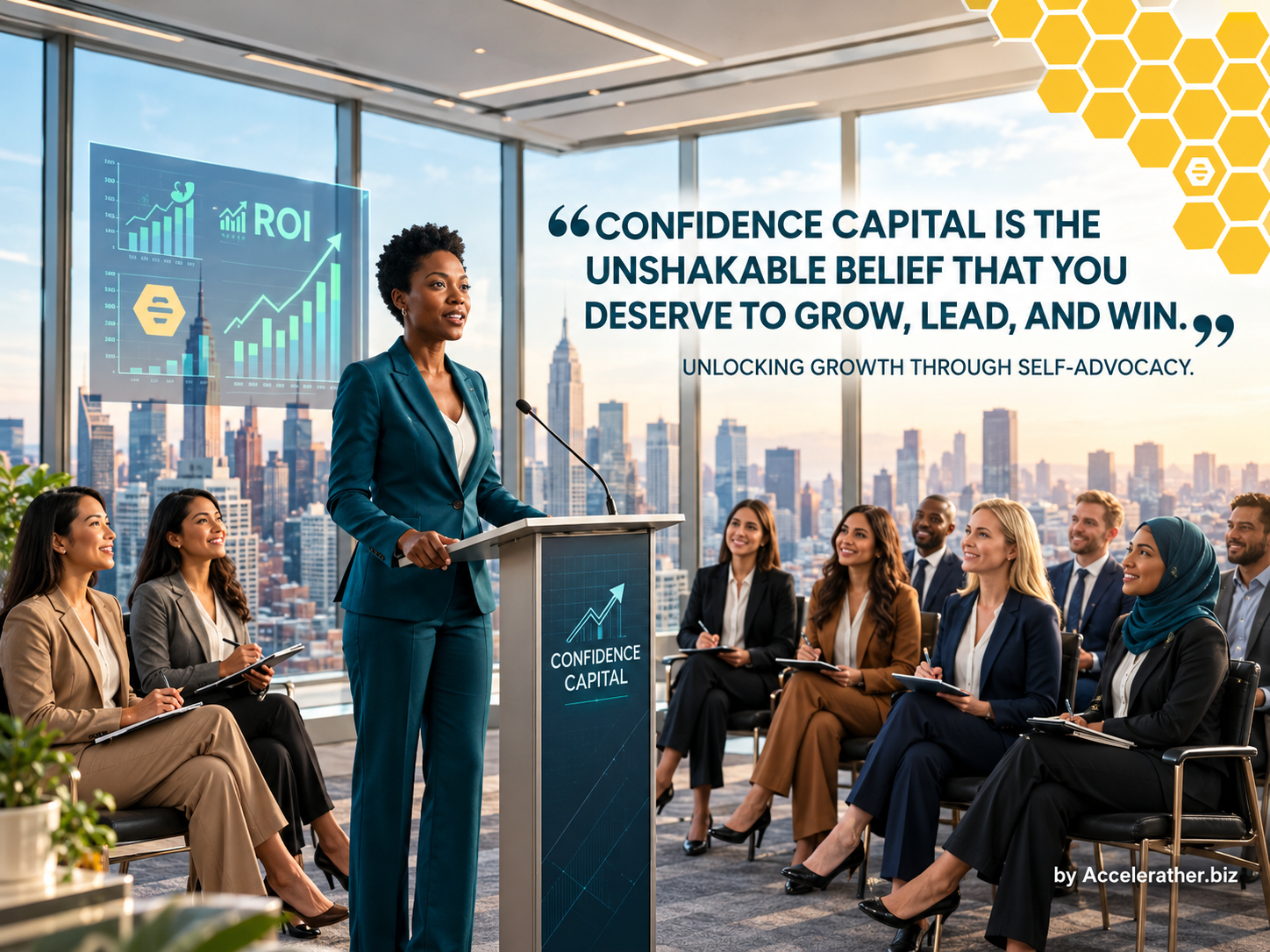
Scaling a business requires capital—financial, human, and emotional. But for women entrepreneurs, the most underinvested asset is often confidence capital: the unshakable belief that you deserve to grow, lead, and win.
The Confidence Gap Is Real
A 2023 McKinsey & Company study, Women in the Workplace, found that women are significantly less likely than men to self-promote or apply for stretch roles unless they meet 100% of the qualifications. Men apply at 60%. This gap doesn’t just affect corporate careers; it directly impacts entrepreneurship. Women-led startups receive only 2.3% of global venture capital funding, according to 2023 PitchBook data. Part of the reason is not lack of ideas—it’s lack of aggressive self-advocacy.
Real Case: Whitney Wolfe Herd and Bumble
Whitney Wolfe Herd co-founded Tinder, faced a toxic work environment, and left. Instead of retreating, she founded Bumble in 2014—a dating app where women make the first move. Investors initially doubted the model. She was told women wouldn’t want to initiate. But she believed. By 2021, Bumble went public, making her the youngest self-made female billionaire at the time. Her confidence capital was built not on arrogance, but on a clear mission: to create a safer, more respectful digital space for women.
Global Research: The ROI of Self-Belief
Research from the Kauffman Foundation shows that women-led private technology companies achieve a 35% higher return on investment than their male counterparts—yet they receive far less funding. The bottleneck is not performance; it’s perception and self-perception. When women founders invest in their own confidence—through mentorship, peer networks, and deliberate practice—they unlock growth that was always within reach.
How to Build Confidence Capital
- Track wins. Keep a “done list,” not just a to-do list. Review it weekly.
- Speak before you’re ready. Practice pitching in low-stakes settings.
- Get a sponsor, not just a mentor. A sponsor advocates for you when you’re not in the room.
- Reframe fear. Fear is not a stop sign; it’s a signal that you’re growing.
You cannot scale what you don’t believe you deserve. Invest in confidence capital first. The financial capital will follow.